My Projects
DocMorris
DocMorris is Germany's leading online pharmacy app that enables users to order medications, scan e-prescriptions via NFC, and manage their healthcare needs with next-day delivery.


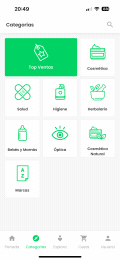


DocMorris is Germany’s largest digital healthcare platform and online pharmacy, serving millions of users across Germany and the Netherlands. The app provides a comprehensive solution for managing everyday healthcare needs, from ordering prescription and OTC medications to accessing digital health services, all with the convenience of next-day delivery.
The app’s standout feature is its e-prescription functionality, which leverages NFC technology to scan public health insurance cards and instantly retrieve electronic prescriptions issued by doctors. This eliminates the need for physical prescriptions and streamlines the entire medication fulfillment process. Users can browse through an extensive catalog of prescription medications, over-the-counter drugs, wellness products, and healthcare items, with detailed product information and customer reviews to guide their purchasing decisions.
Beyond the core pharmacy services, DocMorris offers robust medication management tools that help users track their prescriptions, set medication reminders, and manage refills efficiently. The platform provides personalized health recommendations based on user preferences and purchase history, along with educational content about various health conditions and treatments. Users can access online medical consultations with licensed healthcare professionals, receive exclusive promotions and health tips through push notifications, and track their orders in real-time from placement to delivery. The app integrates seamlessly with Germany’s national e-prescription infrastructure and healthcare system, making it a trusted and secure one-stop solution for digital healthcare management.
Iris Tactics
Iris Tactics is a smartphone application for commanders in the field, designed to operate with Iris Core.
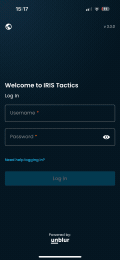
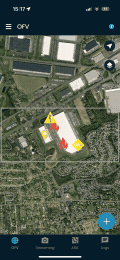
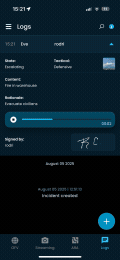
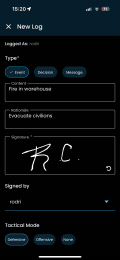
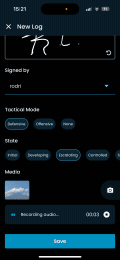

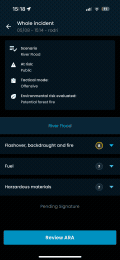
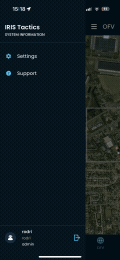
Iris Tactics is a cutting-edge mobile application developed with React Native. My role involves bugs fixing, leading the development of new features and driving design improvements, always maintaining a high standard of clean, structured, and efficient code. I also oversee the entire release process, from preparation to deployment, ensuring seamless launches on both Google Play and the App Store. Additionally, I manage the ongoing maintenance of the code repository in Azure, ensuring smooth and efficient collaboration across the development team.
This project is a robust cross-platform mobile application developed using React Native, designed to deliver a seamless user experience on both iOS and Android devices. The architecture leverages TypeScript for type safety and maintainability, while integrating native modules through Swift, Objective-C, and Java/Kotlin to access device-specific features and optimize performance. The project structure follows best practices for scalability, with a modular organization of components, hooks, context providers, and utility functions, ensuring code reusability and ease of testing.
The application incorporates a comprehensive state management solution, utilizing React Context and custom hooks to manage authentication, user sessions, and global state efficiently. Navigation is handled through React Navigation, providing a smooth and intuitive user flow across multiple feature-rich screens. The UI is crafted with a focus on accessibility and responsiveness, employing custom components and theming to maintain a consistent look and feel. Asset management is streamlined with dedicated folders for fonts, images, and vector graphics, supporting dynamic content and localization.
A key aspect of the project is its integration with native build systems and third-party services. The Android and iOS folders contain custom Gradle and Xcode configurations, enabling advanced features such as push notifications, secure storage, and deep linking. The project also includes automated testing with Jest and end-to-end tests to ensure reliability and maintain high code quality. Continuous integration scripts and environment configuration files facilitate smooth deployment and team collaboration.
Notable features include secure authentication flows, offline support, real-time data synchronization, and a modular design that allows for rapid feature expansion. The codebase is thoroughly documented, with clear separation of concerns and adherence to industry standards. This project exemplifies modern mobile development practices, combining the flexibility of JavaScript/TypeScript with the power of native code to deliver a high-performance, user-centric application.
https://apps.apple.com/es/app/iris-tactics/id6475428021?l=en-GB
Iris NP Mobile App
Iris New Product is a smartphone application developed for Galician Fire Fighters, designed to report incidents.

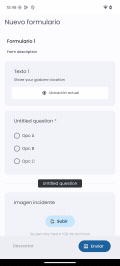
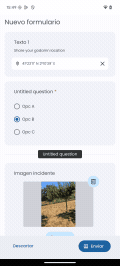
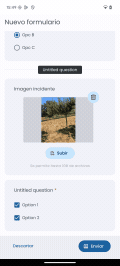
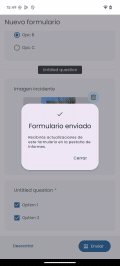
Iris New Product is a mobile application built using Expo (SDK 52), a React Native-based framework, specifically designed for Galician firefighter teams. In this project, I have been responsible for making key decisions such as selecting the development framework and defining the styling approach, including the adoption of react-native-paper to implement Material Design components. My role also encompasses bug fixing, leading the development of new features, and driving design enhancements, all while upholding high standards of clean, well-structured, and efficient code. Additionally, I oversee the ongoing maintenance of the Azure code repository, ensuring effective and seamless collaboration within the development team.
This project is a robust mobile application developed using React Native with Expo, designed to deliver a seamless and performant user experience across both iOS and Android platforms. The architecture leverages TypeScript for type safety and maintainability, ensuring scalable and reliable code. The application structure follows a modular approach, with clear separation of concerns across features, components, contexts, and utilities, facilitating both rapid development and ease of future enhancements.
Key technologies integrated into the project include Expo for streamlined development and deployment, React Navigation for intuitive and flexible routing (including stack, tab, and drawer navigators), and Context API for efficient state management across authentication, dialogs, forms, and session handling. The project also incorporates custom hooks to encapsulate reusable logic, and a comprehensive set of reusable UI components—such as buttons, dialogs, snackbars, and input fields—ensuring consistency and a polished user interface throughout the app.
The application supports internationalization (i18n) with a well-organized translations system, enabling dynamic language switching and localization for multiple languages. The design system is underpinned by a centralized theme and token-based styling, allowing for easy customization and adherence to brand guidelines. Custom fonts and SVG assets are integrated to enhance the visual appeal and user engagement, while error boundaries and fallback mechanisms ensure robust error handling and graceful degradation.
On the backend integration side, the app features a dedicated API client for secure and efficient communication with RESTful endpoints, handling authentication, form submissions, and user management. The codebase is structured to facilitate automated testing and continuous integration, with ESLint and TypeScript configurations enforcing code quality and consistency. Overall, this project exemplifies best practices in modern mobile development, with a focus on scalability, maintainability, and user-centric design.
NP Backend
Backend for New Product
This backend, developed with NestJS, leverages a microservices architecture featuring an API Gateway that orchestrates communication between independent services via RabbitMQ messaging. The modular design was strategically implemented to facilitate product customization, allowing clients to select only the microservices relevant to their needs. Each service operates in its own container, enabling flexible deployment based on client requirements. The backend supports both web and mobile applications, and the architecture allows for dynamic scaling and resource optimization, with containers able to scale up, down, or be deactivated in response to traffic demands.
This project is a robust, modular backend platform architected using Node.js and the NestJS framework, designed to support a microservices-oriented architecture. The system is organized into multiple applications—such as API Gateway, Auth, Backoffice, Files, Form Builder, Reports, and Users—each encapsulated within its own module under a monorepo structure. The use of NestJS enables scalable, maintainable code with strong TypeScript typing, dependency injection, and a clear separation of concerns. The project leverages Docker for containerization, ensuring consistent environments across development, testing, and production, and utilizes docker-compose for orchestrating multi-container deployments.
Key technologies integrated into the platform include TypeScript for type safety, Jest for comprehensive unit and end-to-end testing, and ESLint for code quality enforcement. The API Gateway acts as a single entry point, routing requests to the appropriate microservices and handling cross-cutting concerns such as authentication, authorization, and request validation. Each microservice is designed to be independently deployable and testable, with dedicated configuration files and environment management, supporting both horizontal scaling and rapid feature development.
The system incorporates advanced features such as JWT-based authentication, role-based access control, and modular gateways for different business domains (e.g., backoffice, files, form builder, reports, and users). The architecture supports seamless integration with external services and databases, and includes a static file server for handling file uploads. CI/CD pipelines are defined using Azure Pipelines, automating build, test, and deployment processes to ensure high code quality and rapid delivery cycles.
Comprehensive test coverage is achieved through Jest, with coverage reports and test results integrated into the development workflow. The project structure follows best practices for large-scale TypeScript applications, including shared libraries for common functionality, environment-specific configuration management, and clear separation between application logic and infrastructure. This backend platform exemplifies modern backend engineering, emphasizing scalability, maintainability, and developer productivity.
Faro Territory App
Web app that facilitates the seamless generation of real estate catalogs
FARO is a sophisticated full-stack web application designed for real estate professionals to create, manage, and share interactive property catalogs. Built with modern web technologies, this platform provides an intuitive content management system for real estate marketing materials with advanced image handling capabilities and secure sharing mechanisms.
The application is architected using Next.js 13 with the experimental App Router, leveraging React 18’s latest features for optimal performance and developer experience. The frontend utilizes TypeScript for type safety and maintainability, while implementing Tailwind CSS for responsive, utility-first styling. The authentication system is powered by NextAuth.js with custom Firebase authentication integration, providing secure email/password authentication with session management. The application features a custom React Context for global authentication state management, ensuring secure access control throughout the platform.
The backend infrastructure is built on Firebase’s comprehensive ecosystem, utilizing Firestore as the primary NoSQL database for real-time data synchronization and Firebase Storage for scalable image management. The data architecture follows a hierarchical model with Users, Catalogs, Pages, and Images entities, where each catalog can contain multiple customizable page types including location descriptions, property characteristics, pros/cons analysis, and various image gallery layouts (4, 5, or 6 image configurations). The API layer implements a clean separation of concerns with dedicated TypeScript modules for business logic, including comprehensive CRUD operations, image upload/download functionality, and advanced features like page positioning and batch operations with Firestore transactions.
Key technical features include real-time image upload with Firebase Storage integration, dynamic page templating system with multiple layout options, encrypted URL generation using Node.js crypto module for secure catalog sharing, optimized image handling with Next.js Image component and remote pattern configuration, comprehensive error handling with custom error classes (AuthError, DataError, ProcessError, UnexpectedError), and real-time data synchronization across all connected clients. The platform also implements advanced UX patterns such as debounced input handling for real-time updates, modal-based workflows for content creation and deletion, drag-and-drop style page reordering, and responsive design principles ensuring optimal performance across all device types. The application is deployed on Vercel with automatic CI/CD integration and includes comprehensive TypeScript configuration for enhanced code quality and development experience.
Skrach App
Skrach is a collaborative app for musicians to record and mix multi-track demos remotely.
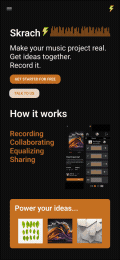
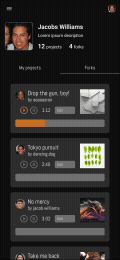

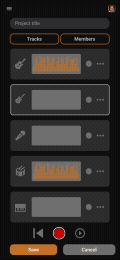
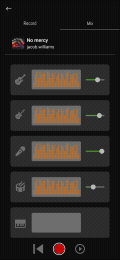
This is an app that allows users to sign up, log in, and start recording music just like they would in a professional studio. It offers the convenience of using independent channels to record multiple tracks and then blend them seamlessly. Mixing the tracks involves adjusting their relative volumes. The app supports collaborative track recording, allowing multiple users (such as band members) to contribute to the same project. Each member can record their instrument and see the recordings of others reflected in the project. The aim is to streamline the recording process for what is commonly known as ‘demos’—the initial approach to bringing a musical project to life, rather than focusing on studio-quality recordings.
Skrach is a recording app designed to simplify the demo creation process for musicians and bands. It allows users to record multi-track projects directly from their phones, with each track on an independent channel that can be mixed by adjusting relative volumes. The app supports collaborative recording, enabling multiple band members to contribute their parts to the same project remotely. Users can create projects, invite collaborators by email, record or overwrite tracks, delete unwanted takes, and play back the full mix—all with autosave functionality to ensure no work is lost.
Built with a backend data model consisting of Users, Projects, and Tracks, the app provides a streamlined workflow for managing musical projects. Users can manage multiple projects, customize project names and privacy settings, and add or remove collaborators as needed. Current features focus on core recording and mixing capabilities, while planned updates include advanced audio controls like panning, equalization, and the ability to export projects as MP3 or WAV files. The goal is to provide an accessible, studio-like recording experience optimized for creating initial musical demos rather than polished final productions.